
Dental bridges have been a vital solution for replacing missing teeth for centuries. From ancient civilizations using rudimentary materials to today’s advanced, natural-looking restorations, dental bridges have come a long way. Let’s explore the fascinating journey of dental bridges from their early beginnings to modern innovations.
Ancient Dental Bridges: Ingenuity and Adaptation
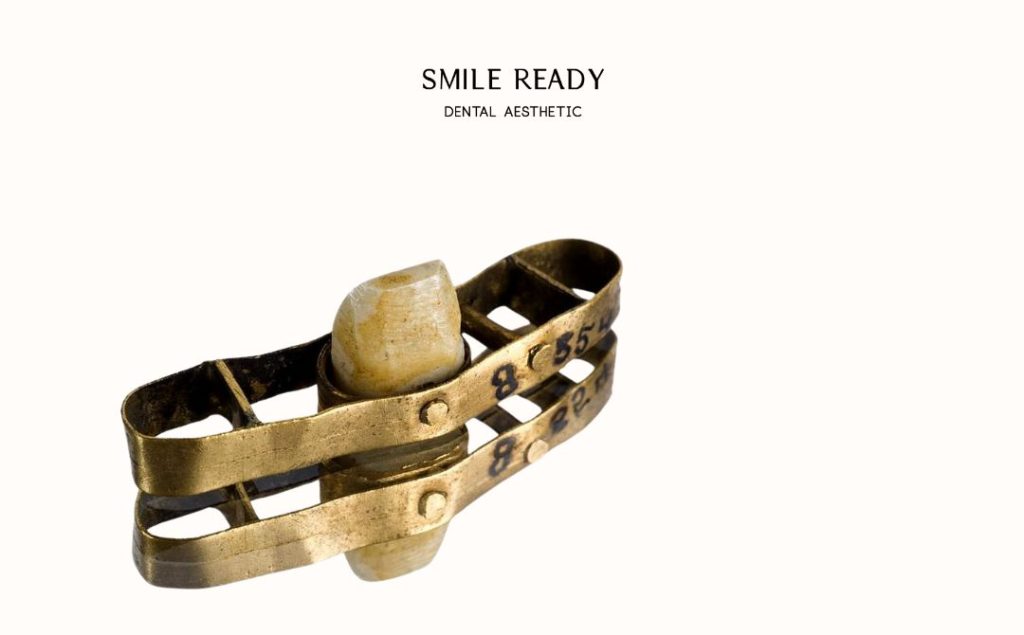
The concept of dental bridges dates back thousands of years. In ancient Egypt, archeologists discovered evidence of bridges made from human teeth held together with gold wire. The Etruscans of Italy, around 700 BC, crafted dental bridges using animal teeth or carved ivory, secured with gold bands. This early ingenuity showcased the desire for functional and aesthetic tooth replacements, despite the limitations of available technology.
In ancient Rome, skilled craftsmen created bridges using iron wires and gold bands, showing significant progress in dental techniques. Meanwhile, ancient Chinese and Mayan cultures used similar methods, often incorporating natural materials like jade and seashells as replacement teeth. Though primitive, these early bridges laid the foundation for more advanced restorative dentistry.
The Middle Ages to the 19th Century: A Step Forward
During the Middle Ages, dental advancements slowed, but some progress was made. By the 18th and 19th centuries, advancements in dentistry began to accelerate. The introduction of porcelain teeth in the 1800s provided a more aesthetic and durable option for bridges. Dentists also began using gold and platinum frameworks, significantly improving the strength and stability of dental bridges.
The 19th century also saw the rise of the cantilever bridge, which used a single tooth as support, as well as the development of the fixed bridge, which utilized crowns on both sides of the gap. These innovations improved the functionality and comfort of dental restorations, paving the way for the modern techniques we see today.
Modern Dental Bridges: Advanced Materials and Techniques
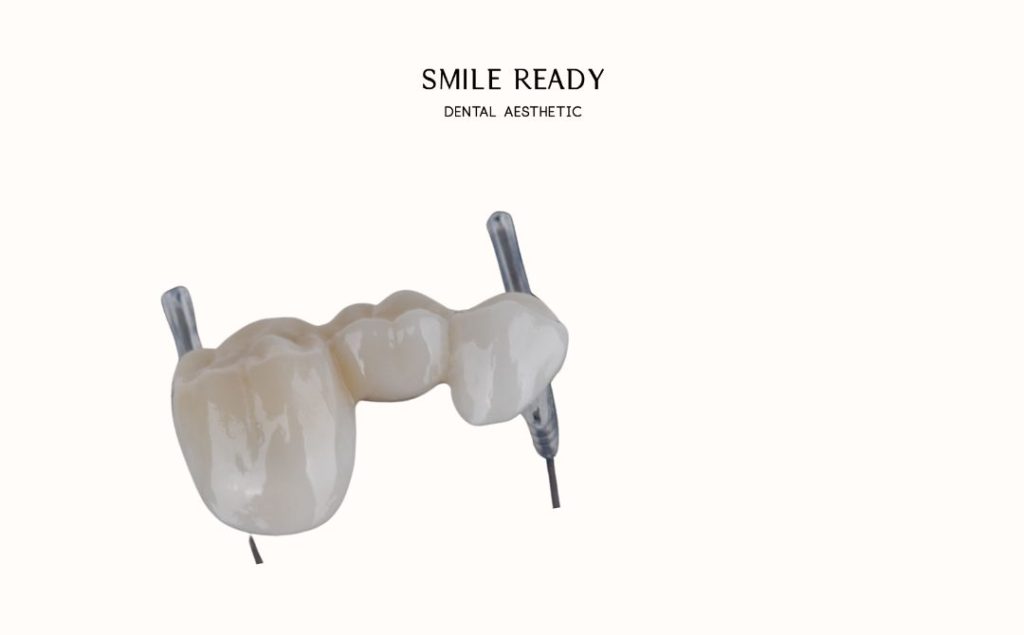
Today, dental bridges are a marvel of modern dentistry. They are crafted using durable and aesthetic materials like porcelain-fused-to-metal (PFM), zirconia, ceramic, and all-metal alloys. Modern bridges not only restore function but also blend seamlessly with natural teeth, offering both durability and aesthetics.
The development of dental implants has also transformed how bridges are supported. Implant-supported bridges eliminate the need to alter healthy adjacent teeth, offering a more conservative and stable solution. Innovations such as CAD/CAM technology allow for precise design and fitting, enhancing comfort and longevity.
From Past to Present: A Testament to Human Innovation
The journey of dental bridges from ancient gold wires and animal teeth to today’s natural-looking, strong restorations is a testament to human innovation and the pursuit of better healthcare solutions. Modern dental bridges not only improve oral function but also help restore confidence with beautiful, healthy smiles.
With continuous advancements in materials and technology, the future of dental bridges promises even more comfort, durability, and aesthetic appeal, keeping the tradition of restoring smiles alive for generations to come.