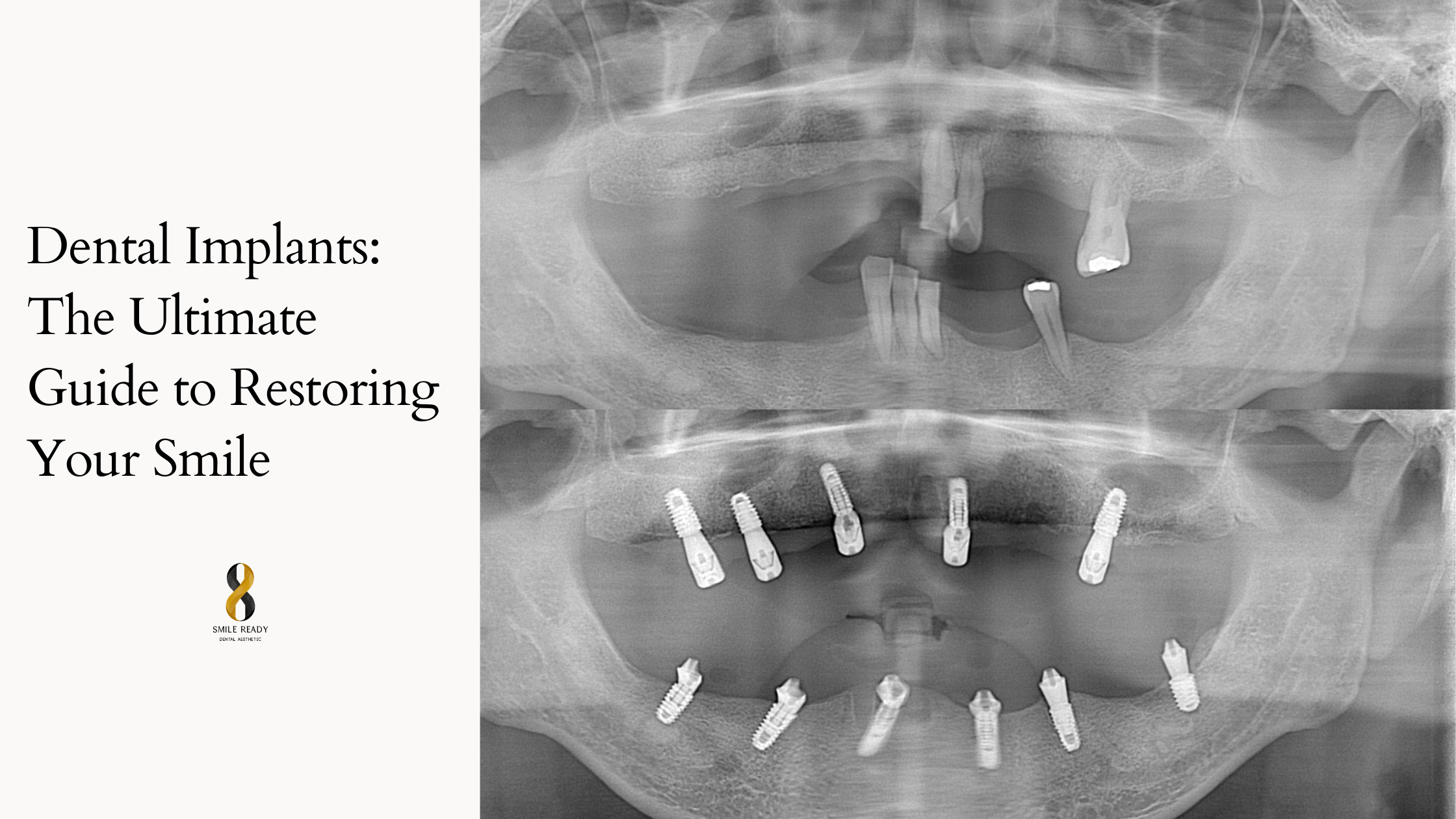
Dental implants stand as the gold standard for replacing missing teeth, offering a permanent, natural-looking solution that restores function and confidence. These innovative tooth replacement options fuse directly with the jawbone, preventing bone loss and mimicking real teeth in every way. This comprehensive 2000-word guide covers everything from types of dental implants to recovery tips, empowering you to explore modern cosmetic dentistry for a lifetime smile.
What Are Dental Implants?
Dental implants consist of three key parts: a titanium post surgically placed into the jawbone as an artificial root, an abutment that connects the post to the restoration, and a custom crown, bridge, or denture on top. Unlike dentures or bridges, implants stimulate the jawbone through osseointegration, a biological process where bone cells grow around the post, creating unbreakable stability.
This integration typically takes 3-6 months, during which the implant becomes part of your anatomy, supporting chewing forces far beyond traditional options. Endosteal implants, the most common variety, sit fully within the bone like screw-shaped roots. For those with insufficient bone, subperiosteal implants rest on top of the jaw under the gumline.
Dental implants address single missing teeth, multiple gaps, or full-arch edentulism, preserving facial structure and speech clarity that deteriorate without tooth roots.
How Do Dental Implants Work?
The journey begins with osseointegration, pioneered decades ago, where the implant’s biocompatible surface bonds with living bone. This creates a foundation strong enough for crowns that withstand daily bite pressures without shifting or decay risks associated with bridges.
Advanced guided implant surgery uses 3D imaging like CBCT scans to map precise placement, minimizing errors and speeding healing. Immediate load implants allow temporary restorations on the same day for suitable candidates with dense bone, cutting overall timelines. Full procedures span 4-9 months, including healing phases, but deliver results lasting decades with proper care.
Types of Dental Implants
Dental implants come in designs tailored to patient needs:
| Type | Placement | Ideal For |
| Endosteal | Inside jawbone | Standard cases with good bone density |
| Subperiosteal | On jawbone surface | Minimal bone height |
| Zygomatic | Cheekbone-anchored | Severe upper jaw bone loss |
| Mini Implants | Narrow diameter | Denture stabilization or small spaces |
| All-on-4 | 4 implants per arch | Full mouth restoration |
| All-on-6 | 6 implants per arch | Enhanced stability for full arches |
All-on-4 and All-on-6 systems revolutionized full mouth dental implants, supporting entire sets of teeth on fewer posts, ideal for those avoiding extensive grafting. Mini implants provide quick, less invasive options for temporary fixes or overdentures.
Who Is a Candidate for Dental Implants?
Most adults with missing teeth qualify for dental implants, provided they have healthy gums and sufficient bone. Ideal candidates maintain good oral hygiene and control conditions like diabetes or smoking, which affect healing. Younger patients post-growth phase also benefit, especially after accidents or extractions.
Non-candidates may need preparatory steps like bone grafting to rebuild density or sinus lifts for upper jaws. Periodontal health checks rule out active infections. Pregnant individuals or those on certain medications postpone surgery for safety.
The Dental Implant Procedure Step-by-Step
Step 1: Consultation and Planning
Comprehensive exams include X-rays, 3D scans, and impressions to customize your implant treatment plan. Digital simulations preview outcomes.
Step 2: Preparation
Extractions or bone augmentation occur if needed, using synthetic or patient-derived materials to fortify the site.
Step 3: Implant Placement
Under local anesthesia or sedation, a small incision exposes the bone for drilling the post. Single implants take 1 hour; multiples vary. Two-stage buries the implant for undisturbed healing; one-stage protrudes slightly.
Step 4: Osseointegration
Healing lasts 3-6 months as bone fuses—non-chewing on that side recommended.
Step 5: Abutment and Restoration
Gums heal around the exposed post, followed by abutment fitting and crown attachment for full function.
Post-op, swelling peaks at 48 hours; soft diets aid comfort.
Benefits of Dental Implants
Dental implants outperform alternatives in durability and health impacts:
- Longevity: Last 25+ years, often a lifetime with maintenance.
- Bone Preservation: Halt jaw resorption that ages the face.
- Natural Feel: Restore 90% chewing efficiency and speech.
- Aesthetics: Custom shades blend seamlessly.
- Oral Health: No damage to adjacent teeth; easy cleaning.
They prevent the 25% annual bone loss from toothlessness, maintaining youthful contours. Confidence surges as smiles look and perform authentically.
Risks and Complications
While dental implants boast 97% success rates, aware of potential issues:
- Peri-implantitis: Inflammation around the post (10% risk), managed like gum disease.
- Nerve Injury: Rare numbness from lower jaw proximity.
- Infection: Prevented by antibiotics and hygiene.
- Failure: 5% over 5 years, often retreatable.
Prosthetic planning and smoking cessation boost outcomes. Regular check-ups catch issues early.
Recovery and Aftercare
Post-surgery recovery involves ice packs, pain relievers, and soft foods for 1-2 weeks. Avoid straws or smoking to protect clots.
Long-term care mirrors natural teeth:
- Brush twice daily, floss implant threads.
- Use interdental brushes or water flossers.
- 6-month professional cleanings.
- Night guards for grinders.
Lifespan extends indefinitely with diligence, far surpassing bridges (10 years) or dentures (5-7).
Dental Implants vs. Alternatives
| Option | Durability | Bone Effect | Maintenance | Aesthetics |
| Implants | Lifetime | Preserves | Low | Excellent |
| Bridges | 10 years | Causes loss | High | Good |
| Dentures | 5-7 years | Accelerates loss | Very high | Fair |
Implants eliminate food traps, sensitivity in neighbors, and refits, making them superior for permanent tooth replacement.
Maintaining Your New Smile
Diet plays key: crunchy veggies clean naturally, but skip excess sugars. X-rays monitor integration yearly. Replacements for crowns occur every 15 years, posts rarely.
Innovations in Dental Implants (2026)
AI-driven surgery and 3D-printed guides slash errors 50%. Nanotech surfaces accelerate osseointegration by 30%. Regenerative stem cells reduce grafting needs, while ceramic implants cater to metal allergies.
FAQs on Dental Implants
- Pain level? Minimal, managed like extractions.
- Same-day teeth? Possible for qualified cases.
- Warranty? Many lifelong on posts.
- Insurance? Varies; medical plans often cover.
Why Choose Dental Implants Now?
In 2026, accessible tech makes dental implants viable for all ages, transforming lives through restored function and joy in eating, speaking, smiling.
Ready to reclaim your confident smile with cutting-edge dental implants? Book your free consultation at Smile Ready Bali today—expert care, personalized plans, and stunning results await. Contact us now for your brighter future!